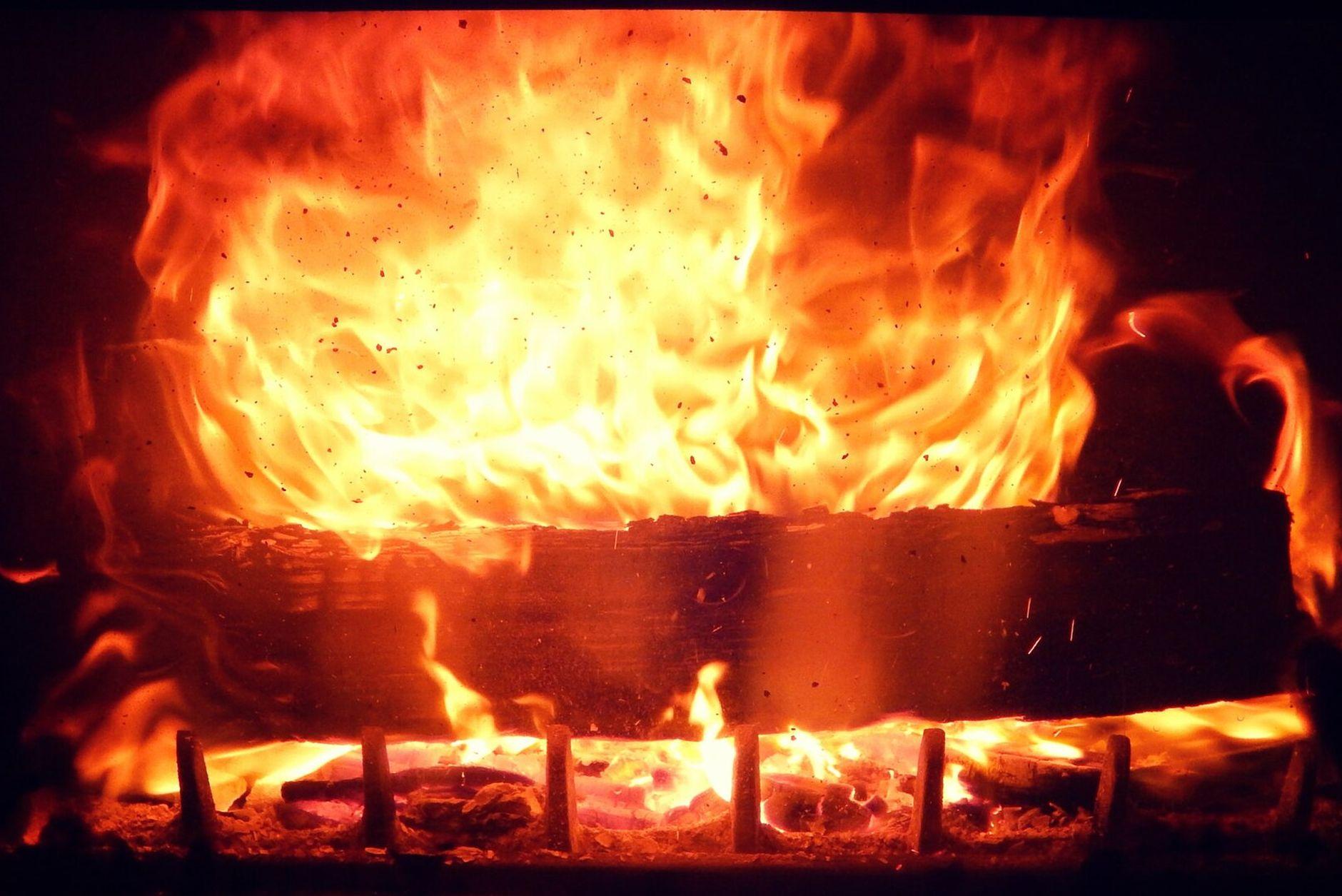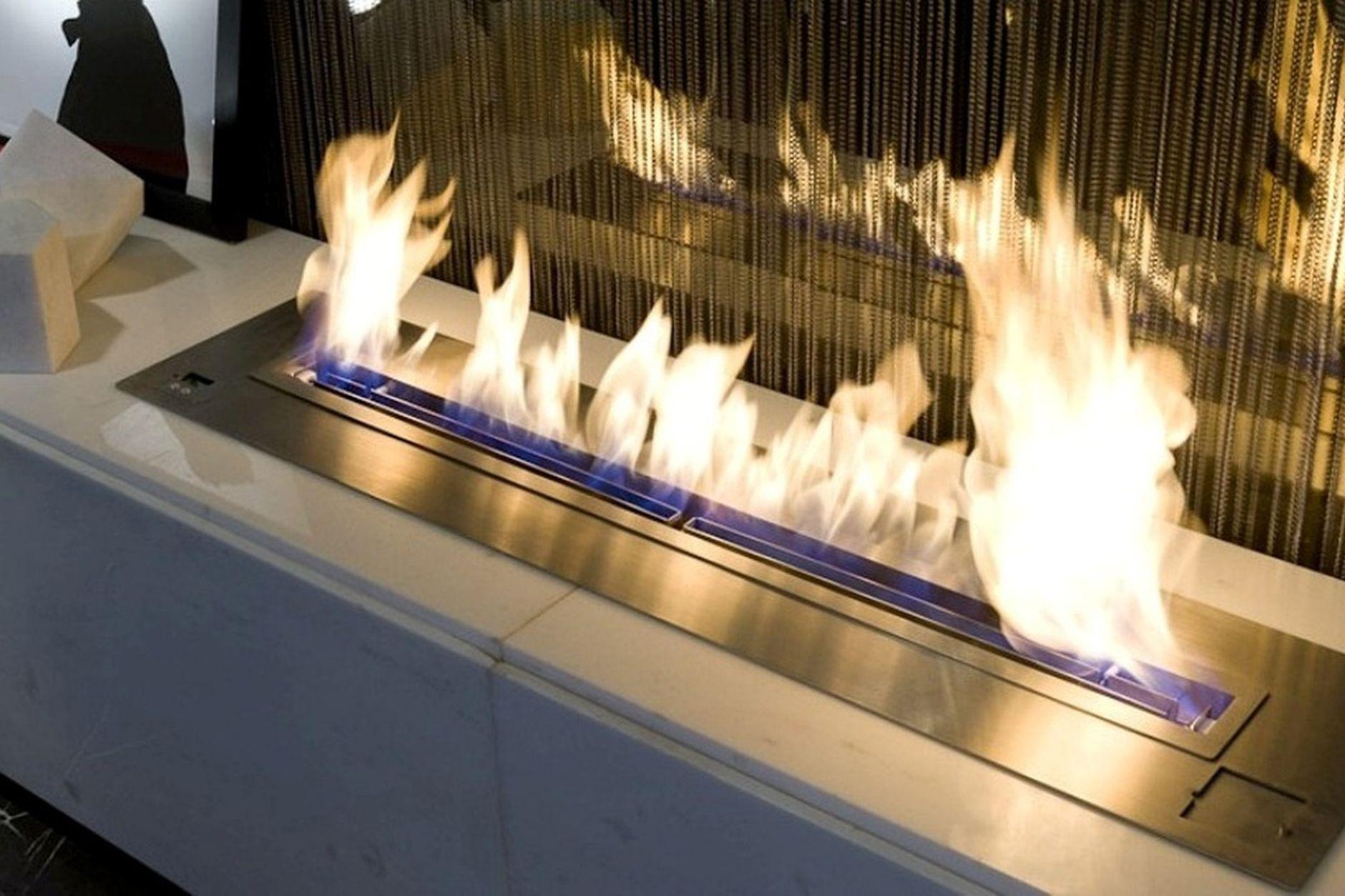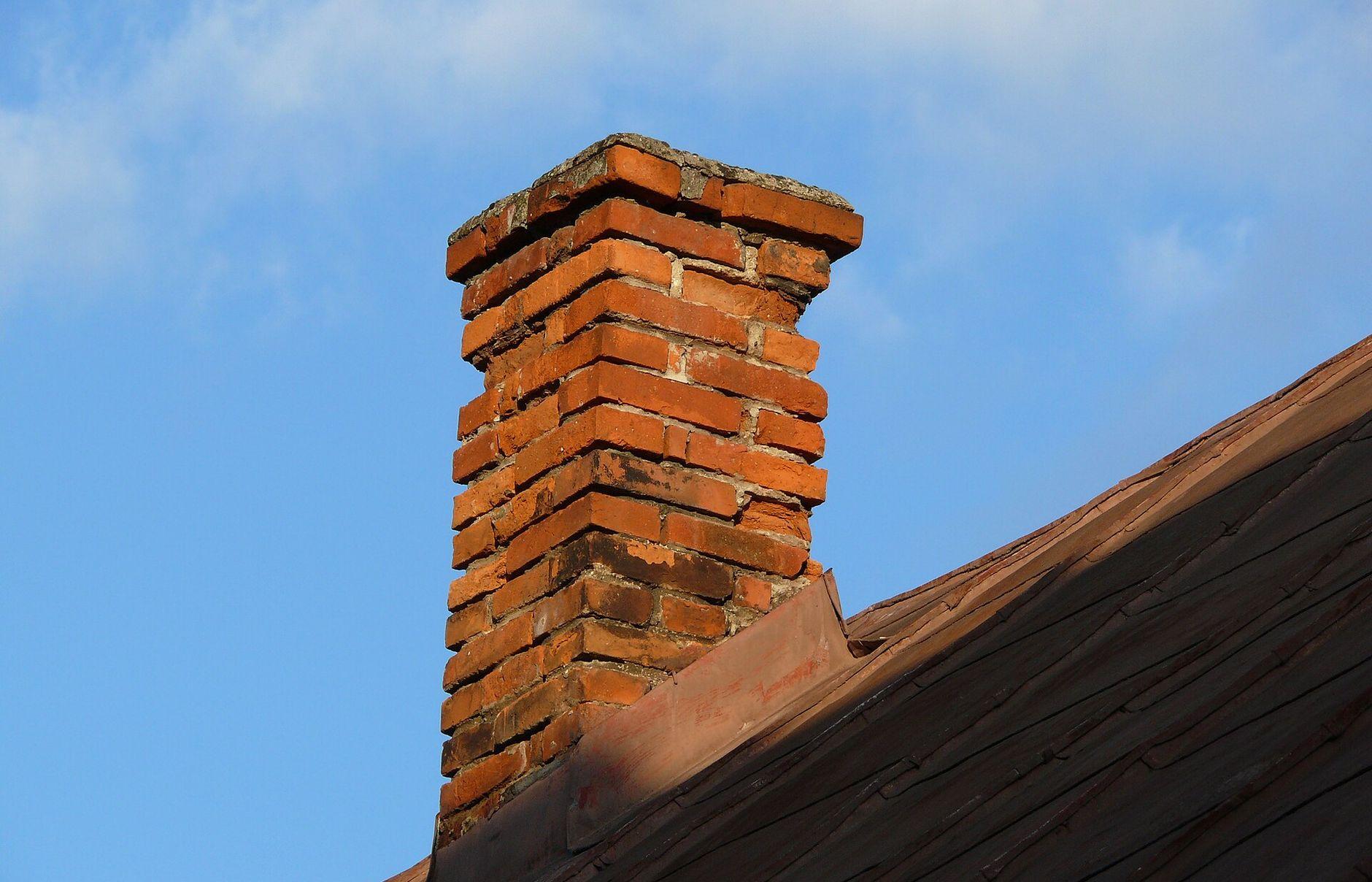

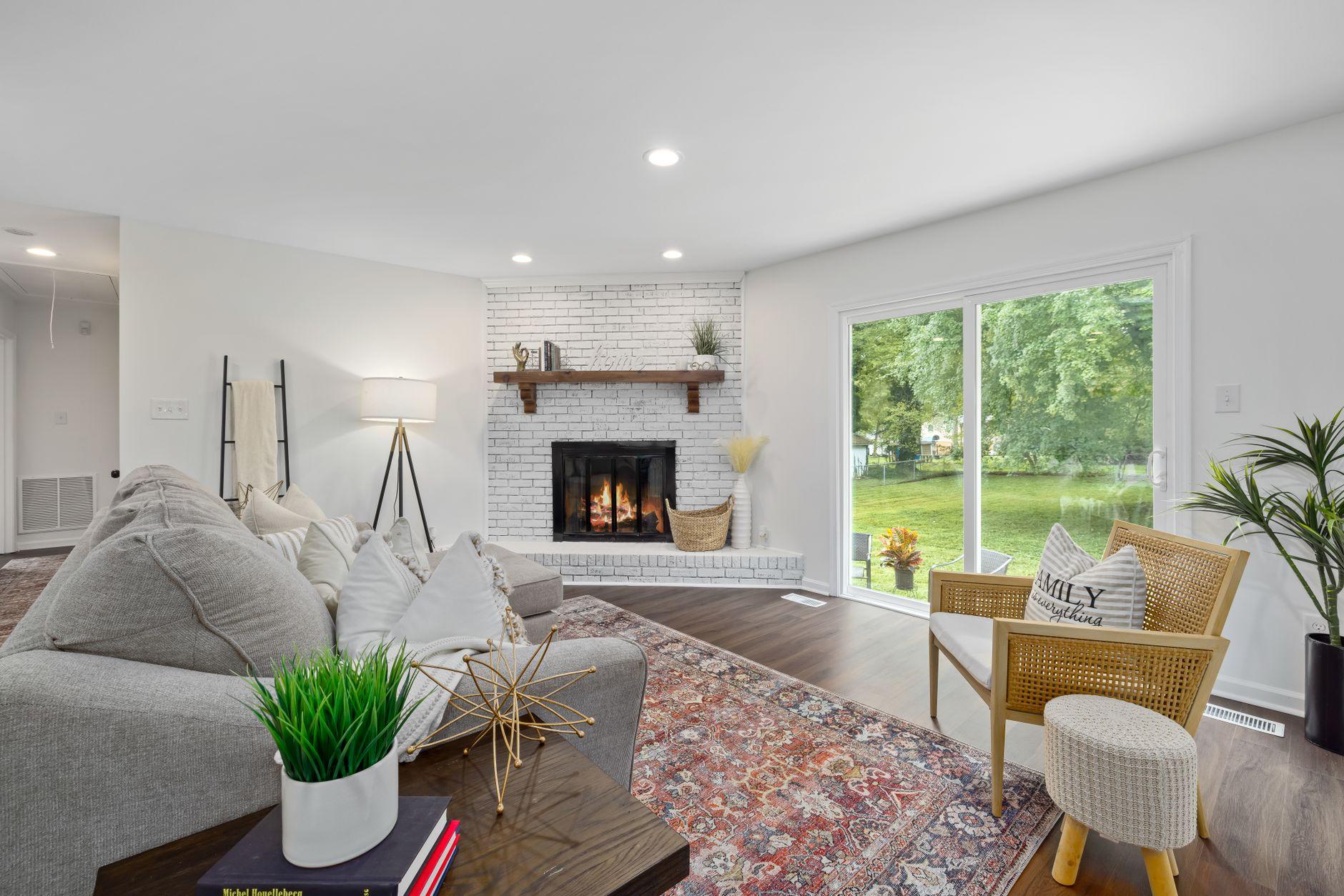
Wood smoke and gas exhaust are very different things to send up a chimney. Wood smoke is hot, dry and full of soot. Gas exhaust is cooler and carries a lot of water vapor. A chimney that coped with wood for sixty years in Fullerton can start to suffer within a few winters of gas if nobody looked at it first.
Why gas is hard on an old flue
Burning natural gas makes water. In a tall masonry chimney the exhaust cools as it climbs, and on a cool night that vapor condenses on the flue walls. The water is mildly acidic. It soaks into the mortar between clay tiles, softens it, and in time washes it out. Old creosote from the wood years gets wet and starts to smell. Through a damp winter, the upper flue can stay wet for days at a time.
None of that is a reason to avoid gas. It is a reason to look before switching.
Factory-built fireplaces, common in Fullerton tracts and condos from the 1970s on, bring their own question. Their metal flue was tested with a particular firebox, and only some of those boxes were ever approved for a gas set. There the check is less about mortar and more about the maker's label, the condition of the flue sections, and whether the set you want is one the box allows.
What we look at
A change of fuel is one of the moments NFPA 211 names for a Level 2 inspection, since the chimney is about to carry exhaust it was never built around. Our Level 2 costs $395 and includes a camera run through the whole flue. Before a gas switch we pay closest attention to:
- Tile joints and cracks. Gaps where mortar has gone, cracked or shifted tiles, and sections knocked out of line by the 1994 quake or older shaking.
- The smoke chamber. Rough, open brick above the damper that gathers debris and holds moisture.
- Old creosote. Deposits that have to come out before gas goes in. A sweep starts from $425.
- The crown. A cracked top slab lets rain into the same brick that gas moisture is already working on.
- The cap. Gas flues need a cap like any other; birds love a warm, quiet flue.
- Flue size. A flue far larger than the gas unit needs leaves the exhaust slow and cold, which makes condensation worse.
The four results
Most chimneys we see before a conversion land in one of four places.
Ready as it stands. Sound tiles, a sensible size, cap and crown in order. A log set can go in after a sweep.
Ready after small repairs. A cap, a resealed crown, a few joints. The repair list is short and the gas work follows.
Needs a liner. Cracked tiles, open joints, or a flue far too big. A stainless liner sized to the gas unit runs inside the old flue, and the old tile stops touching the exhaust at all. Inserts always get a liner of their own; log sets get one when the flue cannot carry them as it is.
Not worth saving for gas. A chimney that leans, is badly cracked, or is due for a rebuild. Here many owners move to a direct-vent unit on an outside wall and leave the old chimney capped.
What each result costs
Our price list covers several of these jobs directly. A sweep is from $425. An insert, fitted with its own liner, runs $2,850 to $5,700 installed. A direct-vent unit in a new spot runs $4,550 to $9,100. Caps have no list price: we measure the flue, and the size and metal set what you pay.
A liner on its own, behind a log set, has no list figure: its cost comes from what the camera shows, including the height of the stack, the shape of the flue, and whether old tile has to be cleared to fit it. Crowns are the same; the top has to be seen before anyone writes a number.
The deciding step
What decides your path is the camera. Until the inside of the flue has been seen, nobody can honestly say whether you are in the first result or the fourth. Book the Level 2 through the quote form on this page; tell us when the fireplace last burned wood and which gas unit you are weighing, and the report comes back with the result and a written price for any work.
What you get from the visit
A written report with photos from inside the flue, the result in plain words, and a list of the work needed before gas, with our published price where one exists and a written figure for the rest. For houses in Fullerton, La Habra, Buena Park or Yorba Linda, the follow-up repair and the gas fit can usually be planned as one job.
Things that turn up
- Gas pipe already at the hearth, which can make a log set much cheaper.
- A second flue in the same chimney serving a furnace or water heater, which affects where a liner can run.
- A damper that will not open fully, which has to be fixed before a vented log set goes in. Our post on damper work covers that.
- Old fill or rubble above the damper, left by a past owner who closed the flue off.
Where to read next
Ready for the camera
Once you are set on gas, reach us through the contact page and we will book the flue inspection.
Want the Options Priced for Your House?
Murdoch Chimney Group checks the chimney first, then writes out logs, insert and sealed unit with what each needs and costs. We work from Fullerton across La Habra, Buena Park, Yorba Linda and the cities around them.