
Both of these options seal the flame behind glass and both put real heat into a room. That is where the likeness ends. One lives inside the fireplace your Fullerton house already has; the other can go almost anywhere on an outside wall. Choosing between them is mostly a question about your chimney, and only partly about looks.
The insert: using the opening you have
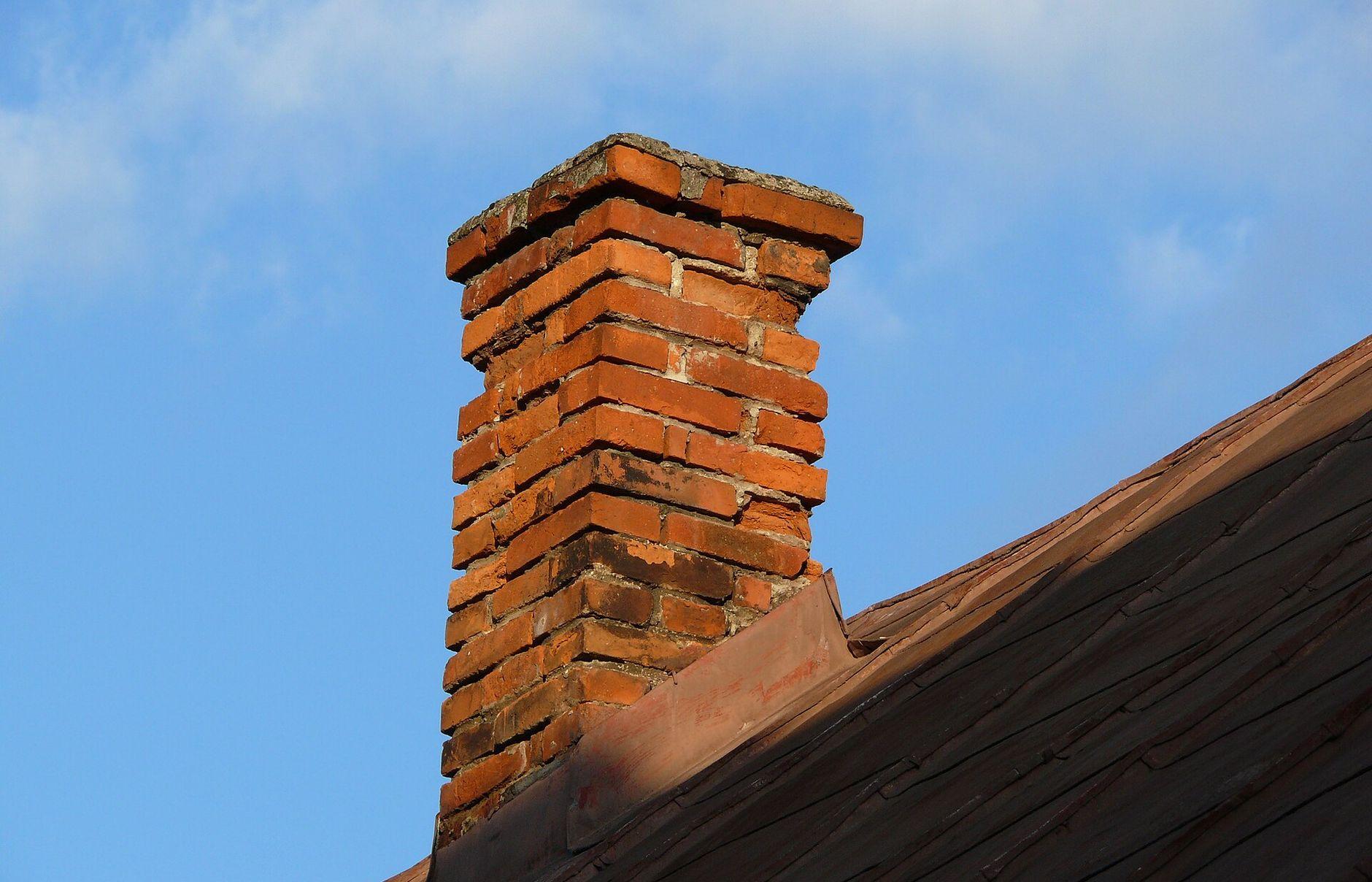
An insert is a steel firebox with a glass front that slides into an existing masonry or factory-built fireplace. A surround panel covers the gap between the insert and the old opening. Exhaust leaves through a liner, usually a pair of flexible pipes run from the insert to the top of the chimney: one carries exhaust up, the other brings fresh air down to the burner.
What an insert asks of the house:
- a firebox with enough width, height and depth for the unit;
- a chimney sound enough to hold the liner and stand for the years ahead;
- gas at the hearth, or a path to bring it there;
- usually a power outlet in or near the fireplace for the fan and ignition.
Inserts we fit into Fullerton fireplaces run $2,850 to $5,700 installed, liner included. The spread comes from the size and finish of the unit, the length of the liner, and how much gas pipe the job needs.
The direct-vent unit: starting from a wall
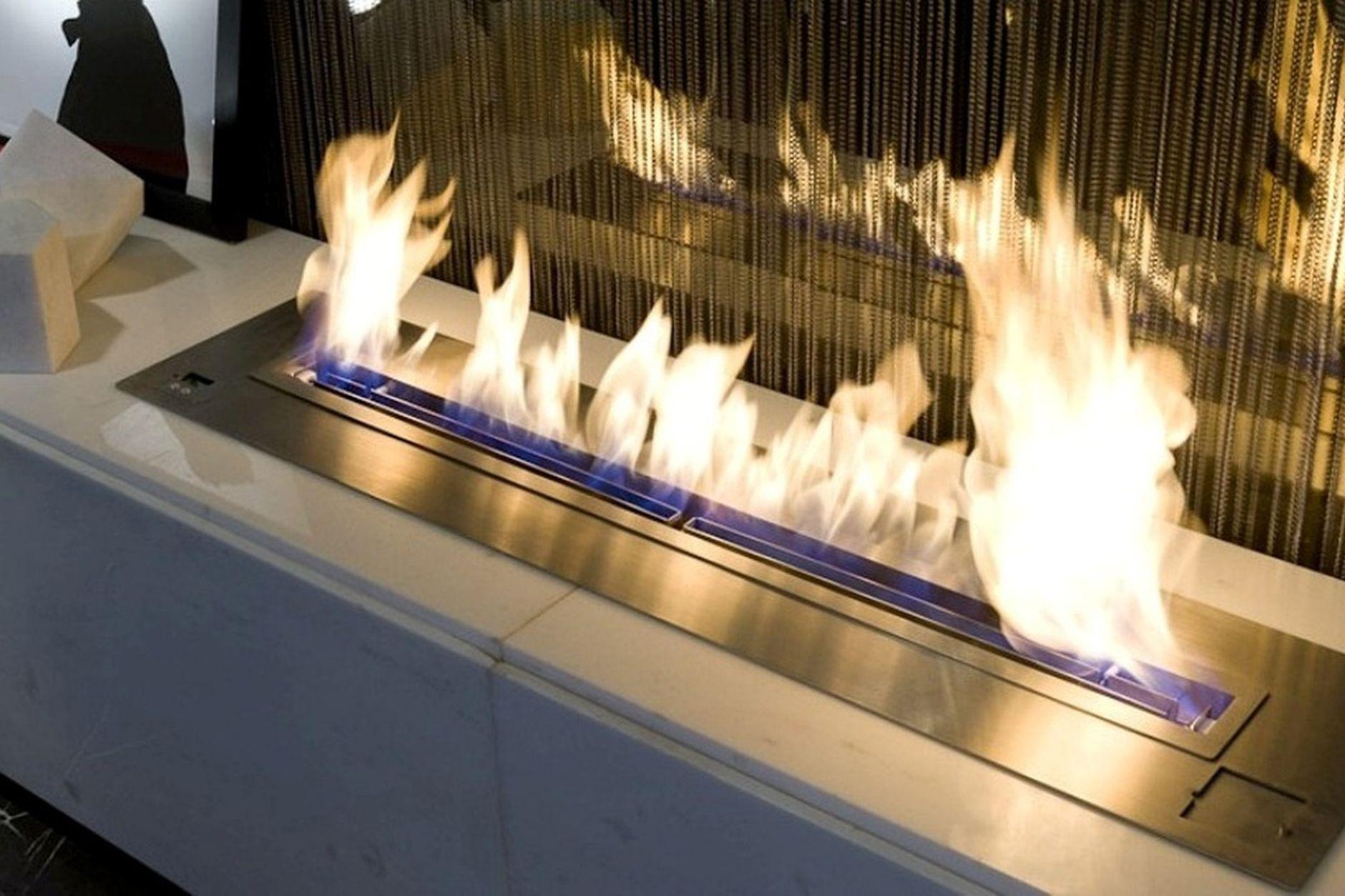
A direct-vent fireplace is a complete sealed box that needs no chimney at all. It vents through a short run of double pipe, one tube inside another, out through an outside wall or the roof. Because it brings its own vent, it can go where the house needs warmth rather than where the builder happened to put the chimney: a primary bedroom, a back family room addition, a den with no hearth.
What it asks of the house:
- an outside wall or roof path within the maker's vent limits;
- framing to hold the box and a finish to cover it;
- a gas run to the new spot, and power.
A direct-vent unit set into a wall where no fireplace stood before runs $4,550 to $9,100 on our price list. The upper end reflects framing, finishing and longer gas runs.
Side by side
- Where it goes: the insert sits inside the old fireplace; the direct-vent unit goes on any suitable outside wall.
- How it vents: the insert uses a liner up the old chimney; the direct-vent unit uses a short double pipe.
- The old chimney: the insert needs it sound; the direct-vent unit ignores it, and the old flue can be capped.
- Installed range: $2,850 to $5,700 for the insert, $4,550 to $9,100 for the direct-vent unit.
- Looks: the insert is framed by the old opening; the direct-vent unit gets a face built new.
When the insert wins
If the chimney is in fair shape and the fireplace sits in the room you use most, an insert is usually the cheaper route to heat. It also leaves the old brick face in place, which suits many Fullerton ranch houses from the 1950s and 1960s, where the fireplace wall is the feature of the living room.
When the direct-vent unit wins
If the chimney is cracked top to bottom, leaning, or due for a rebuild, putting an insert into it means paying for the chimney first. In that case many owners cap the old flue, close the fireplace up, and set a direct-vent unit somewhere else. The same holds for houses where the old fireplace sits in a formal room nobody uses.
It also wins on placement. A sealed box on the outside wall of a family room puts the heat where people actually sit.
What decides it in your house
Three facts settle most of these choices: the shape the chimney is in, the room you want warm, and whether gas and power can reach the spot. The first one is where owners guess. A Level 2 inspection at $395 sends a camera through the full flue and shows whether the chimney can carry a liner as it is, needs repair first, or is past saving. Once that is known, the two options can be priced against each other in writing. Start with the quote form on this page: say which room you want to heat and whether the chimney has given any trouble.
A note on looks
Both kinds come with modern and traditional fronts. An insert is bounded by the old opening; the surround panel hides some of it, but the brick face stays unless you change it. A direct-vent unit gets a new surround from scratch, which is where a fireplace remodel comes in. Some owners do both: an insert in the living room, a direct-vent unit in the primary suite.
Upkeep after the switch
Neither needs sweeping like a wood fire. Both need a yearly look at the burner, the pilot or ignition, the glass and its seal, and the vent outlet. Our gas fireplace repair and gas fireplace cleaning services cover that work, and our fireplace inserts page shows the units we fit.
Permits
Both jobs add a gas appliance, and both usually go through the city for a permit and a final sign-off. Our page on permits and code repairs explains how that works in Fullerton and the cities around it.
Where to go from here
Still deciding? Our contact page is the place to start. Tell us which room runs cold and how the fireplace looks today, and we will set a time to weigh both options in person.
Want the Options Priced for Your House?
Murdoch Chimney Group checks the chimney first, then writes out logs, insert and sealed unit with what each needs and costs. We work from Fullerton across La Habra, Buena Park, Yorba Linda and the cities around them.