
Plenty of Fullerton living rooms still center on a 1960s brick fireplace that nobody has lit in years. When the owner decides on gas, the next question is almost always about the face: can that old brick go, and what replaces it? Doing both jobs together usually costs less than doing them apart, because the wall only gets opened once.
Choose the gas unit before the finish
The new face has to fit the unit, not the other way round, and each kind of gas unit asks something different of the wall around it.
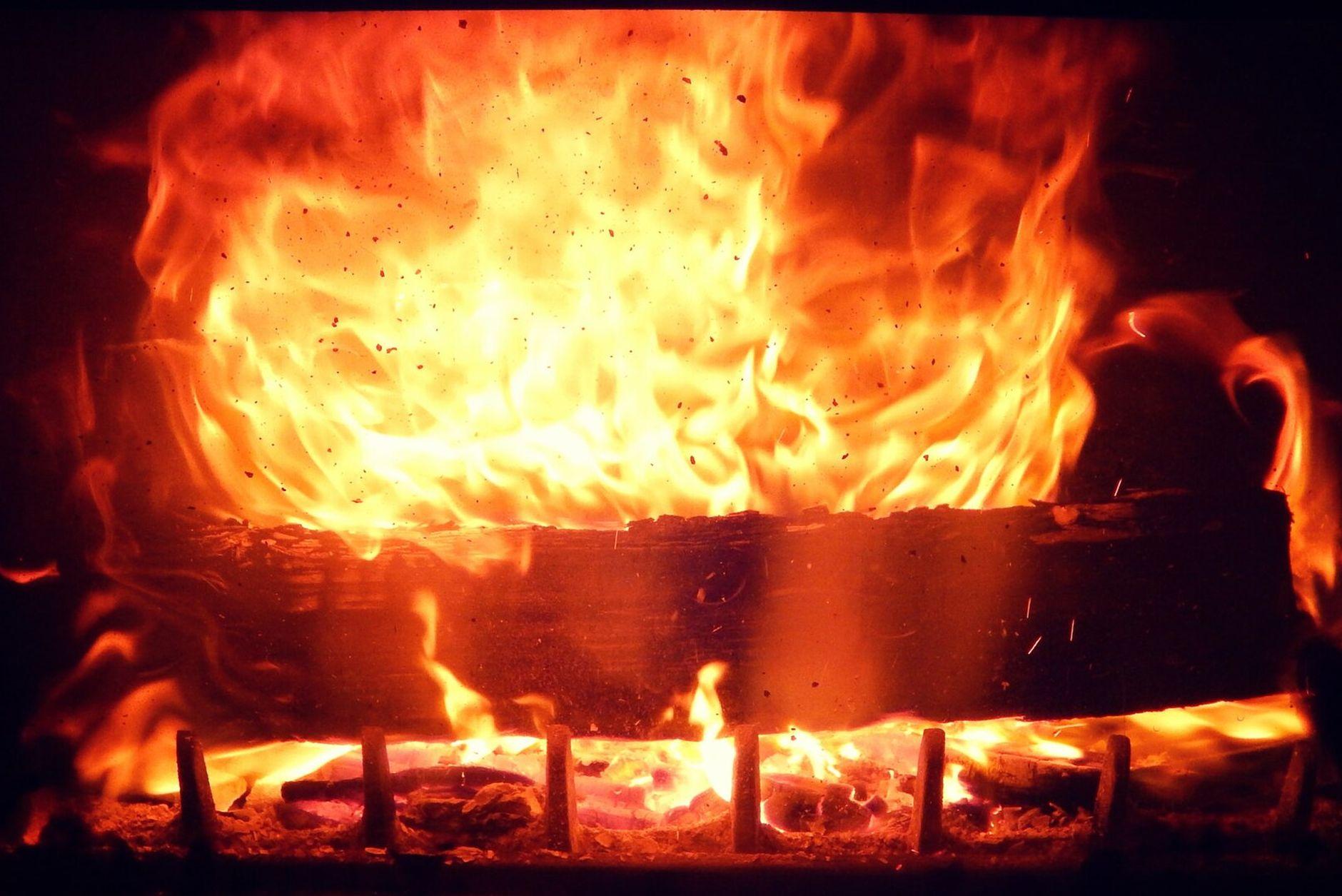
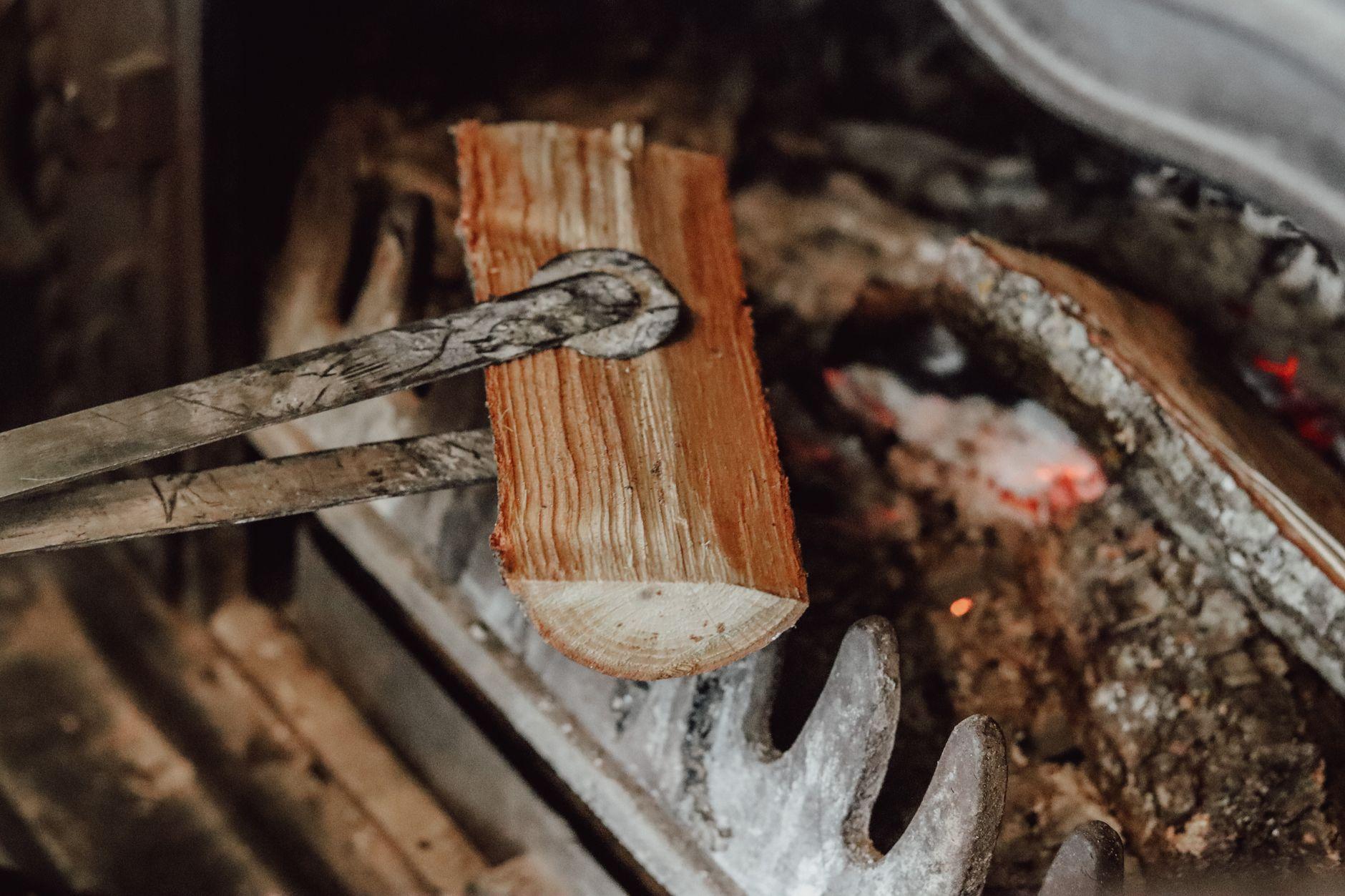
A vented log set keeps the open firebox. The face can change freely, but the firebox stays as it is, so the new surround frames the old opening.
An insert fills the old opening with a steel box and a trim panel. The new face has to leave room for that panel and for the gaps the maker sets between the hot front and anything that can burn, such as a wooden mantel.
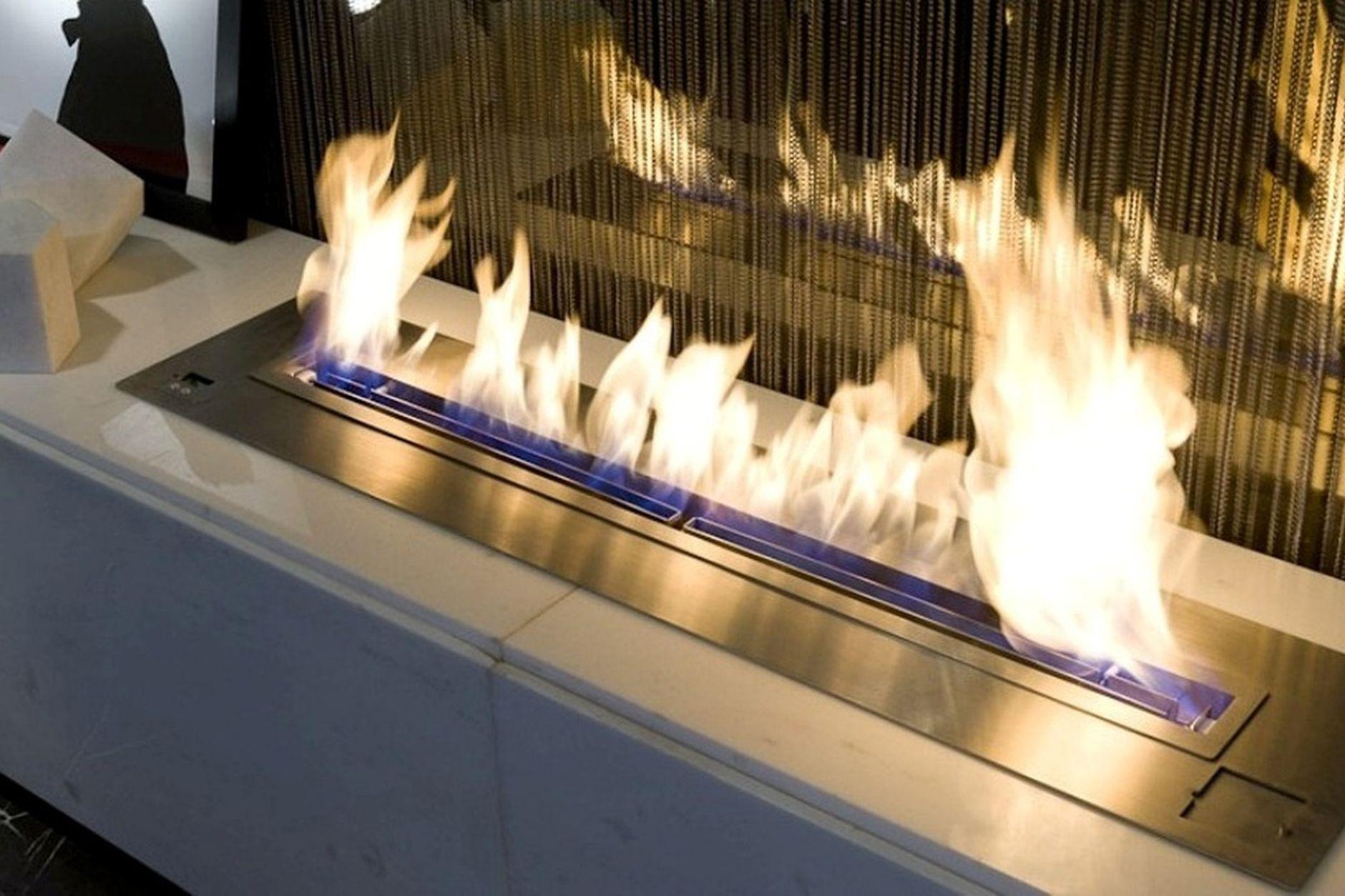
A direct-vent unit in a fresh spot gets a face built from nothing, which makes it the freest of the three.
Our post weighing inserts against direct-vent units goes through those in more depth.
What the work itself involves
A typical Fullerton remodel with a gas switch has these parts:
- Tear-out. Old tile or brick veneer comes off. Solid brick that forms the chimney stays; facing brick laid against it can often come down.
- Gas and power. Pipe to the hearth and an outlet for a fan or ignition go in while the wall is open.
- The unit. Logs, insert or direct-vent box set and connected.
- The face. New backer board, then stone, tile, plaster or a thin brick veneer.
- Mantel and hearth. New or reset, at the distances the unit's maker calls for.
Where costs hide
The unit and the stone are what owners price in their heads. The surprises sit behind the old face.
- What lies under the brick. Facing brick sometimes turns out to be carrying more than it should, or hiding a crack in the chimney itself.
- Gas distance. A meter on the far side of the house means a longer pipe run.
- The old hearth. A raised hearth that is cracked or at the wrong height often has to come out entirely.
- Clearances. A mantel that was fine above wood may sit too close to a new insert and has to move up.
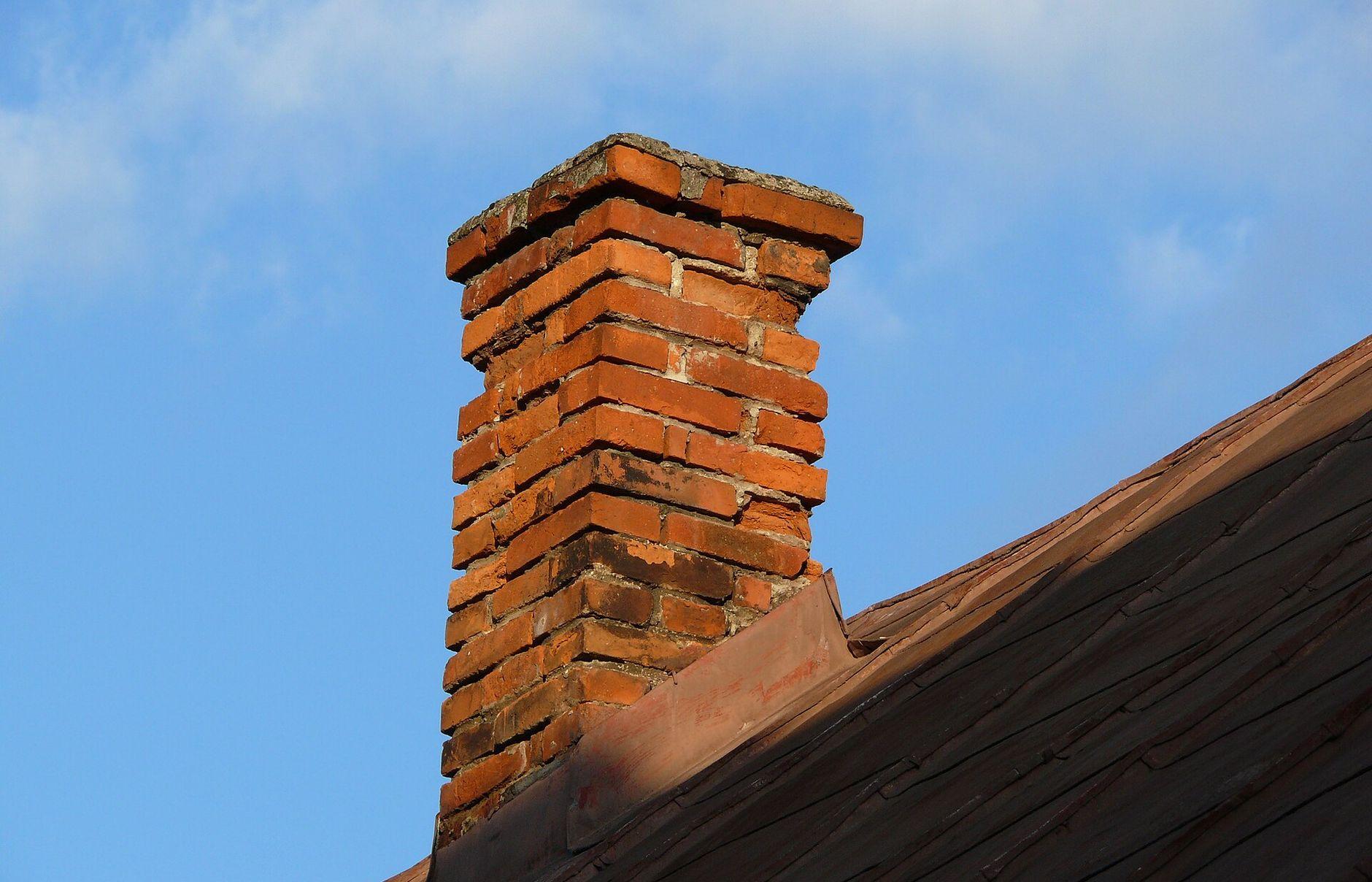
- The chimney above. If the flue is going to carry gas exhaust, it gets checked first.
Figures we publish, and figures we do not
Our published prices cover the gas side. An insert set into the fireplace you have runs $2,850 to $5,700 installed, and a new direct-vent unit on an outside wall runs $4,550 to $9,100. The face itself swings so widely with material and size that it only gets a number once the wall has been measured: a plain plaster finish and a floor-to-ceiling stone wall are very different jobs.
Before any of it, a $395 Level 2 inspection tells us whether the chimney behind the new face can carry gas. If it cannot, the plan changes before a single tile is chosen, which is far cheaper than finding out after the face is built.
What sets your price
The final figure depends on three choices: which gas unit, which finish material, and how far up the wall the new face runs. The unit sets the clearances, the material sets the labor, and the height sets both. You can start now through the quote form on this page; say which unit you lean toward, what the wall is made of today, and roughly how wide the fireplace wall is.
Finishes that suit gas
- Smooth plaster reads modern and handles heat well over the right backer.
- Large-format tile gives a clean face with few joints.
- Natural or cast stone suits the ranch-style houses common around Fullerton and Yorba Linda.
- Thin brick keeps a brick look without the weight of full-size units.
Each has to be suited to the heat at the face of the unit you pick, and that check is part of the plan we write.
The order we work in
First we inspect the chimney and settle on the gas unit. Then we measure the wall and agree the finish. Permits follow where the work calls for them, which is likely whenever gas pipe or a new appliance goes in; our page on permits and code repairs explains that part. After that the wall is opened, gas and power run, and the unit set. Where the city inspects open work, it does so before the finish goes on.
Living with the room during the work
A remodel touches the room you sit in, so we plan around it. The floor in front of the hearth is covered, the doorway is sheeted off when the old face comes down, and dust is kept to the fireplace wall. Owners usually keep using the rest of the house as normal. We tell you at the start which days the room is out of use, so furniture can be moved once rather than twice.
A remodel that stays wood
Not every owner switches. If you plan to keep burning wood, the job is different, and our fireplace remodel page covers it. If you have settled on gas logs, our gas log price guide adds the detail on sets and valves.
Getting started
Begin on the contact page. Tell us about the wall as it stands today and the unit you have in mind, and we will arrange a visit.
Want the Options Priced for Your House?
Murdoch Chimney Group checks the chimney first, then writes out logs, insert and sealed unit with what each needs and costs. We work from Fullerton across La Habra, Buena Park, Yorba Linda and the cities around them.