
Owners who are done hauling firewood in Fullerton usually start by asking about logs, because a log set keeps the fireplace they already have. The brick stays, the mantel stays, the open front stays; a burner and a set of ceramic logs take the place of the grate. It is the smallest step away from wood, and it is also the one whose final figure surprises people most, in both directions.
What you are actually paying for
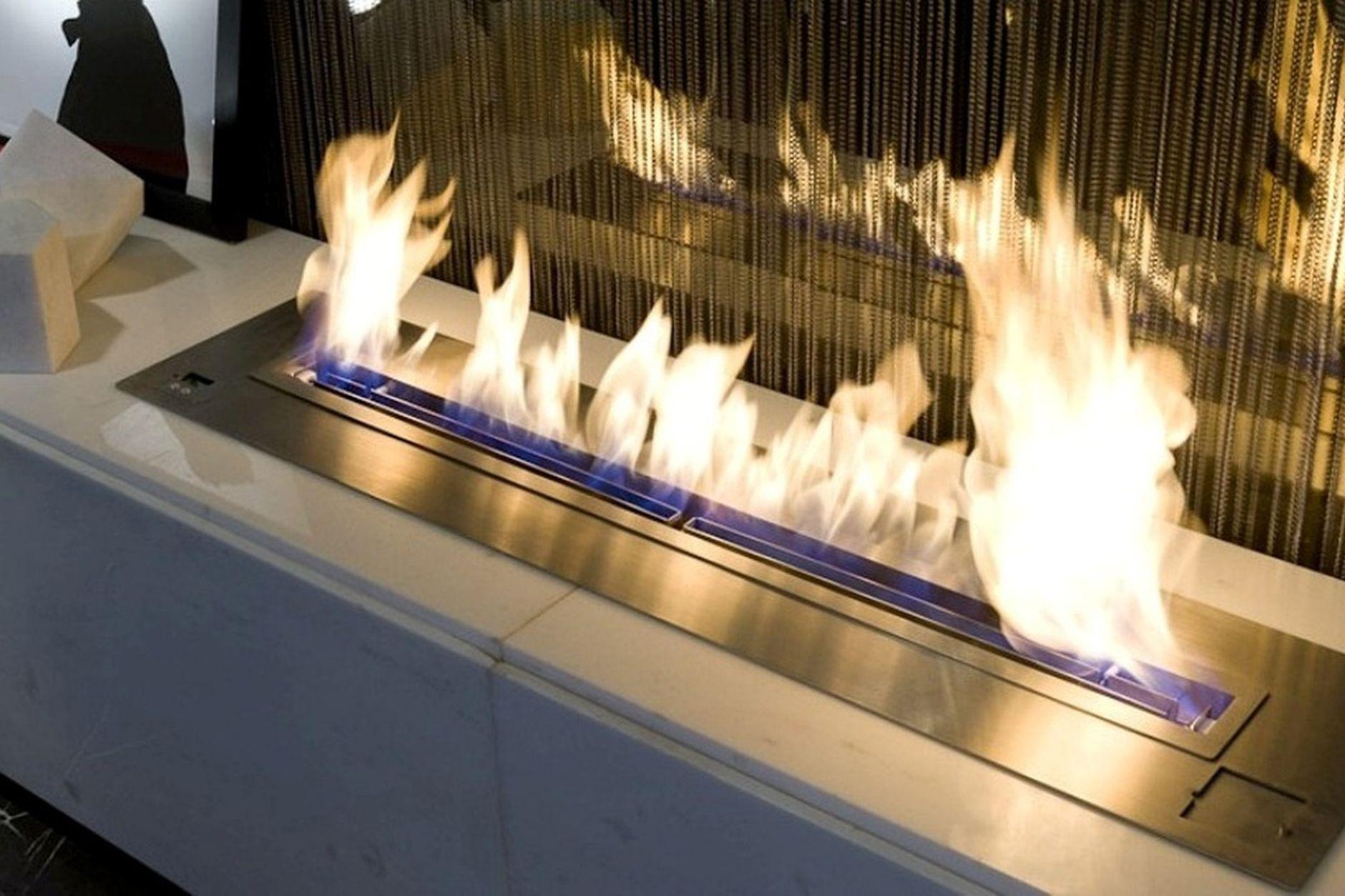
A vented gas log set is three things: a burner pan, a set of shaped ceramic or refractory logs, and a control valve. The valve can be a plain manual key, a standing pilot with a knob, or electronic ignition run from a remote. The logs sit on the burner, the flames rise through them, and the exhaust goes up the same chimney the wood smoke used.
Because a vented set burns with the flue open, it gives a warm glow more than real heat. Most of the warmth heads up the chimney. That suits owners who want a fire on a cool January evening without the ash bucket, and it disappoints owners who expected to heat the room. If heat is the goal, our comparison of inserts and direct-vent units matters more than any log price.
Five things that move the figure
The burner and valve. A manual valve with a match-lit burner sits at the low end. A standing pilot with a safety shutoff costs more. A remote with electronic ignition costs more again, and needs batteries or a power source near the hearth.
The logs themselves. Sets range from a few plain logs to detailed oak or split-wood castings with glowing embers and lava rock. Larger, more detailed sets cost more, and they also need a firebox deep enough to hold them with air around them.
Gas at the hearth. Plenty of older Fullerton houses already have a gas valve at the fireplace, left over from the days when people lit wood with a gas starter. If that pipe is there and big enough for a burner, the job shrinks. If pipe has to come from the meter or from the nearest line under the floor, that run is often the largest single line on the quote.
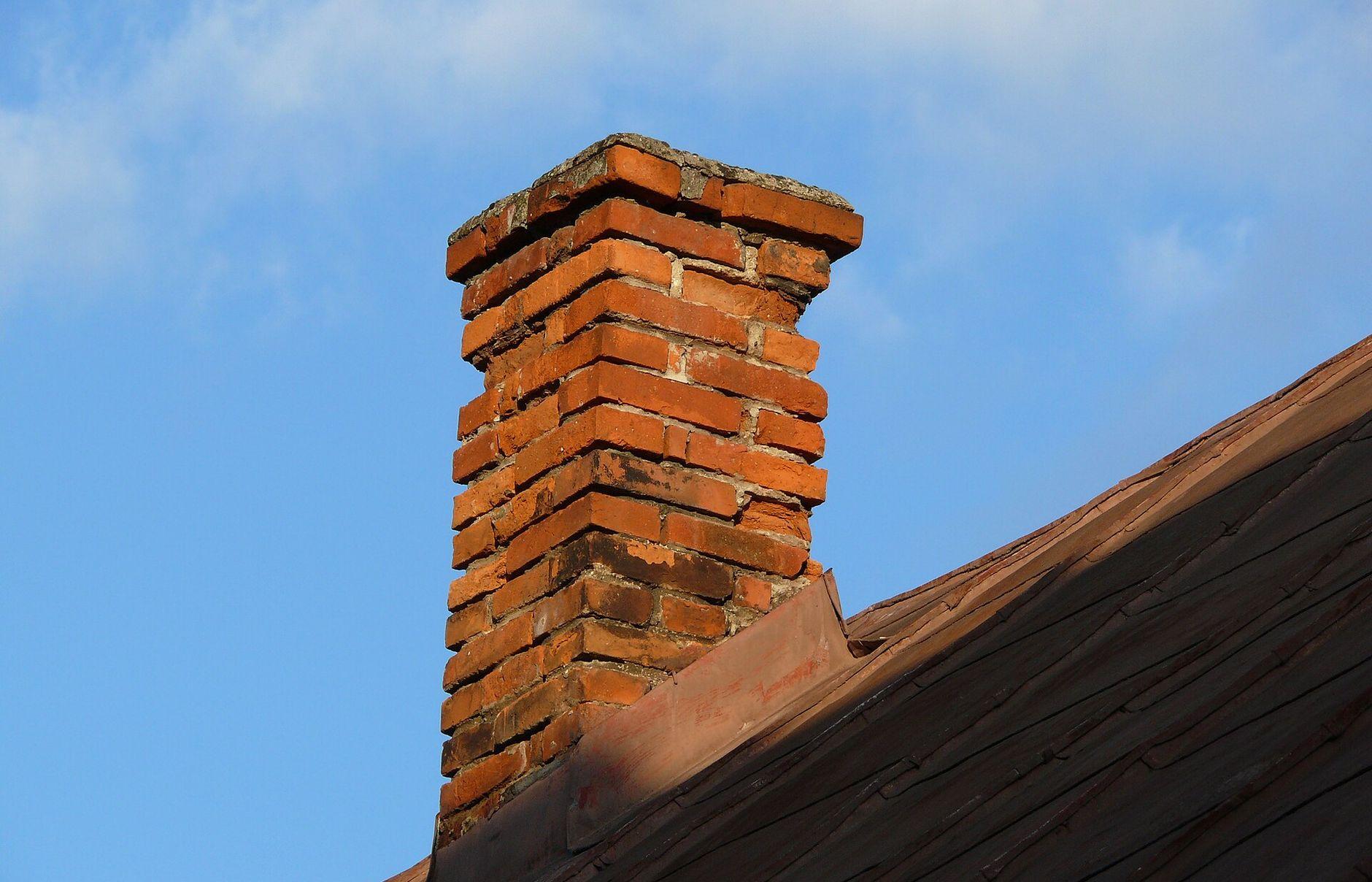
The chimney. A log set vents up the flue you have, so the flue has to be sound. A cracked tile, a missing cap or a smoke chamber caked in old creosote all get dealt with before gas goes in, because a gas flame makes water vapor and that vapor finds every weak joint.
The damper. A vented set must burn with the damper open, and most installs fit a clamp or stop that keeps it from shutting all the way. If the old damper is rusted or warped, that repair comes first. Our post on damper work for gas logs explains why.
Where the rest of the money goes
The burner and logs are the part you see. Around them sit the jobs nobody photographs: a camera run of the flue, a sweep if the chimney last burned wood, a new cap if the old one is gone, and the gas pipe. A set that looks cheap online can end up as the smallest line on a page of chimney work.
That is why we look before we write a number. Our Level 2 inspection, at $395, sends a camera through the full flue, and a sweep starts from $425 if the chimney still holds wood soot. Between them, they tell us whether the chimney can take gas as it stands.
Logs against an insert, in money terms
A log set usually costs less to put in than an insert. Our gas inserts, set into a fireplace you already have, run $2,850 to $5,700 installed, and that figure includes the liner the insert vents through. An insert, though, is a sealed box with glass and a fan, and it warms the room. A log set is a fire to look at.
So the cheaper choice on day one is not always cheaper by the second winter. An owner who wants heat and buys logs often comes back for an insert. An owner who wants the look and buys an insert sometimes misses the open flame.
We ask one thing first: do you want to heat the room or watch a fire? That answer settles most of the rest.
What we need before we price it
The price turns on four facts: whether gas already reaches the hearth, the state of the flue, the state of the damper, and the kind of set you want. Once we know those, a written quote follows. You can start with the quote form on this page: say whether there is a gas valve at the fireplace, when the chimney last burned wood, and whether you are after flame or heat.
A word on the air district
Fullerton sits inside the South Coast AQMD, which can call winter no-burn days for wood. A gas log set is outside those calls, so on a cold, still evening when wood burners are asked to stop, a gas fire can still be lit. For many owners here, that alone is the reason to switch.
What a fair quote looks like
A sound quote for a log set lists the set by maker and size, the valve type, the pipe work and its length, the damper fix, and any chimney work found first, each on its own line. It says which parts are yours to choose and which are not. If one quote comes in far below the others, look for the line that is missing; it is usually the gas pipe or the chimney.
We also say plainly when a log set is the wrong fit: a firebox too shallow for a proper set, a flue that would need relining anyway, or a household that really wants heat. In those cases an insert or a fireplace remodel may suit better, and our fireplace gas logs page shows the sets we fit.
Ready for a figure?
Tell us about the fireplace on our contact page, and we will arrange a visit to look at the gas, the flue and the damper before anything is written down.
Want the Options Priced for Your House?
Murdoch Chimney Group checks the chimney first, then writes out logs, insert and sealed unit with what each needs and costs. We work from Fullerton across La Habra, Buena Park, Yorba Linda and the cities around them.