
Owners in Fullerton switching to gas logs think about the logs and forget the iron plate above them. Yet the damper decides whether a vented gas fire is safe to sit in front of, and on many older chimneys it is the first thing that needs work.
Why a vented set changes the damper's job
With wood, the damper is open while the fire burns and shut afterwards. With a vented gas set, a pilot or burner may be lit at any time, and someone may forget the handle. If the damper is closed when the burner lights, the exhaust has nowhere to go but the room.
So vented sets come with a firm rule: the damper must not be able to close fully while the set is installed. Most installs fit a clamp or a stop so the plate always stays partly open. The gas fit is not finished until that is in place.
That only works if the damper itself is in fair shape.
Inserts and direct-vent units are a different story. Both are sealed boxes with their own vent, so the old damper either comes out to let a liner through or plays no part at all. The damper rule above is about vented log sets in an open firebox, which is exactly the conversion most Fullerton owners choose first.
What goes wrong with old dampers
The cast iron throat dampers in most Fullerton houses from the 1950s to the 1970s have spent decades in heat, ash and damp air. What we find:
- A plate rusted to its seat, so it will not open past halfway.
- A handle or rod snapped off, leaving the plate wherever it last stopped.
- Pivots worn loose, so the plate rattles and drops.
- A frame cracked by heat, so the plate sits crooked.
Each has to be sorted before gas goes in. A damper stuck half shut cuts down the flue area a vented set depends on.
The repair options
Free it and fix it open. A plate that is stuck but sound can often be freed, cleaned and then clamped open. This is the cheapest route.
Take the plate out. Where the plate is beyond saving, it can come out altogether. The fire still vents, but the flue stays open all the time, so warm air leaves the house on cold nights.
Close the chimney at the top. A lid at the chimney top, worked from the firebox, can shut the flue between fires. Whether one is allowed with your gas set depends on the set and the local code, and we check both before suggesting it.
Line the flue. If the chimney is getting a liner anyway, the old damper often has to go to make room, and the liner and cap take over at the top.
The chimney top while we are up there
Gas exhaust is wet, and rain falling down the flue adds to it. While the damper is being sorted, we look at the top as well.
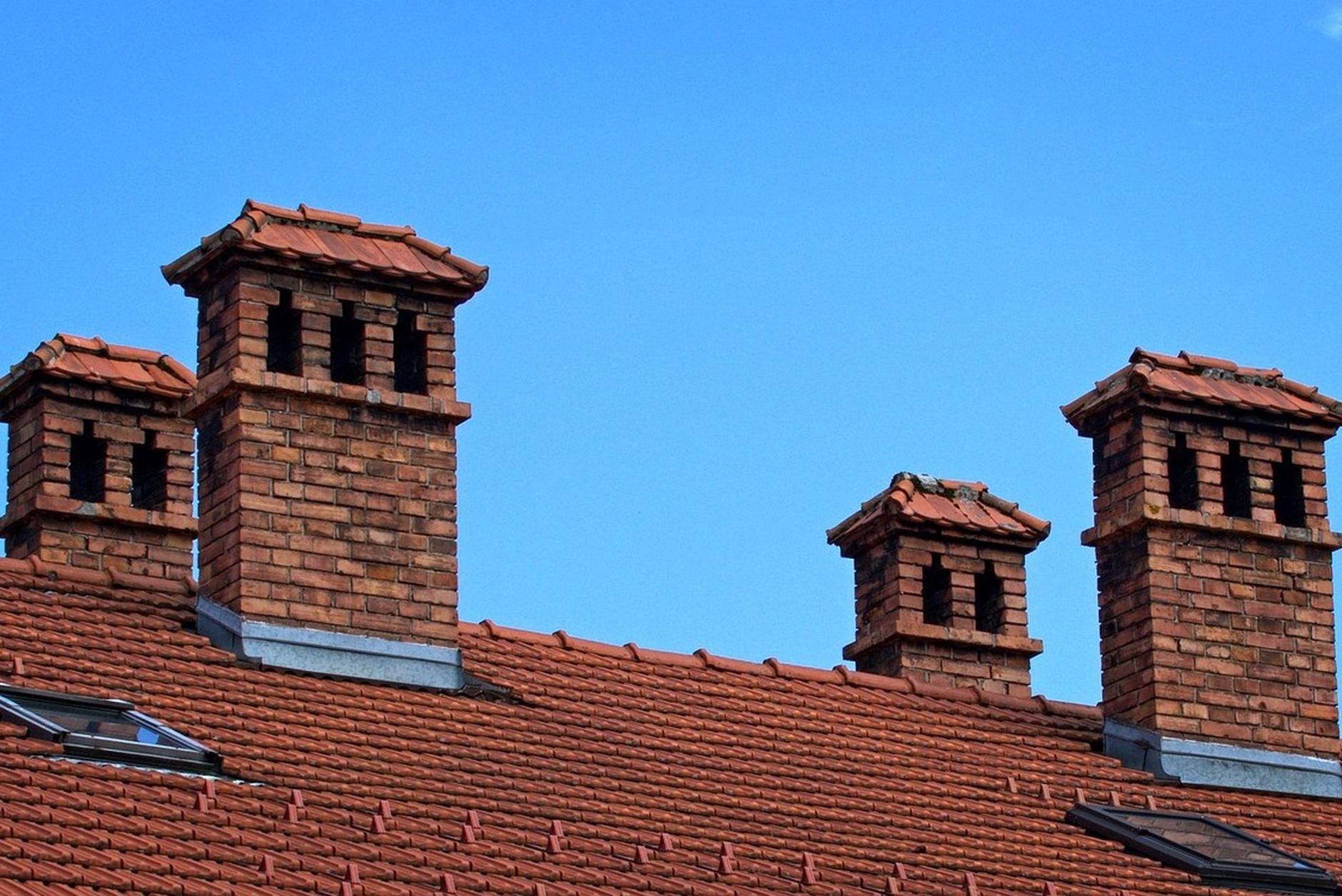
- The cap. A missing or rusted cap lets rain and birds into a flue that is now warm and quiet. We size the top before naming a cap figure, and a larger cap or copper costs more.
- The chase top. On factory-built chimneys, the metal lid over the framed chase rusts and holds water. Once it fails, water finds the framing and the top of the fireplace below. A new lid is made to fit that chase.
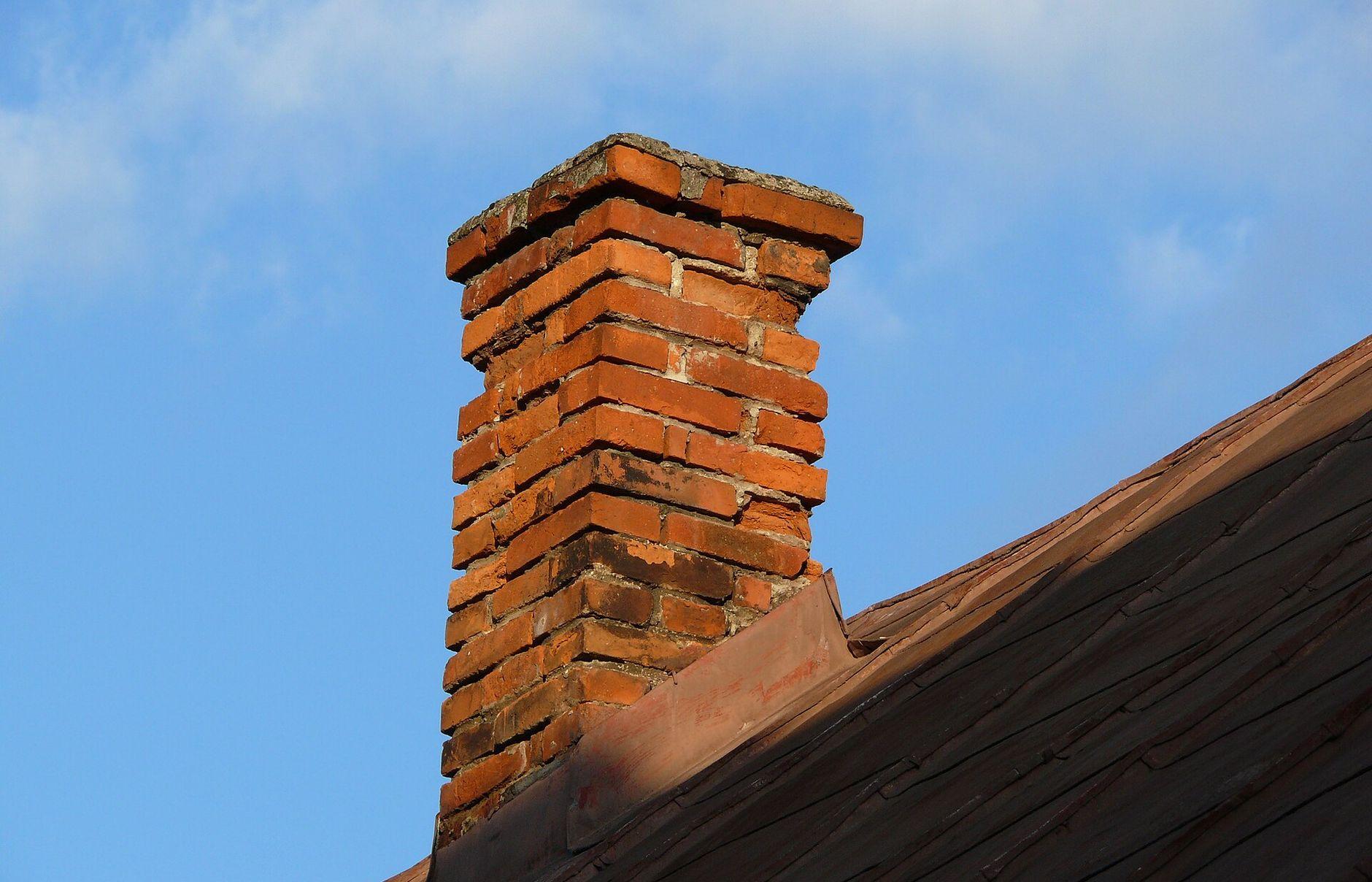
- The crown. On masonry chimneys, a cracked crown lets water into the brick beside the damper frame, which is often why the damper rusted in the first place.
What sets the price
Three things set the cost of a damper job: whether the old plate can be saved, which option suits your gas set, and what the chimney top needs at the same time. All three are clear once we have looked from the firebox and from the roof. For a written price, use the quote form on this page; tell us whether the damper opens, how far it goes, and what you plan to burn.
Where this fits in a conversion
The damper is one of the checks before a gas switch. The full list is in our post on chimney checks before going gas, and the cost of the logs is in our gas log price guide. If you have chosen an insert instead, the damper question changes, because the insert vents through its own liner; see inserts and direct-vent units compared.
Signs your damper wants a look now
- The handle moves but you cannot hear or feel the plate shift.
- A draft or a sooty smell from the fireplace on windy days with the damper closed.
- Rust flakes collecting on the firebox floor.
- A plate that drops shut on its own after you open it.
Why this matters more in winter
Fullerton winters are mild, but the nights when owners want a fire are the cool, still ones, and those are also the nights the South Coast AQMD may ask wood burners to hold off. A gas set gets lit far more often than the wood fire it replaced. A damper that was a minor nuisance with occasional wood fires becomes a real concern once the fireplace is in use most evenings, so it pays to settle it before the season.
The services behind it
Booking a look
A damper question gets settled at the hearth, not over the phone. Visit our contact page and we will set a time to see it, along with the top of the chimney.
Want the Options Priced for Your House?
Murdoch Chimney Group checks the chimney first, then writes out logs, insert and sealed unit with what each needs and costs. We work from Fullerton across La Habra, Buena Park, Yorba Linda and the cities around them.